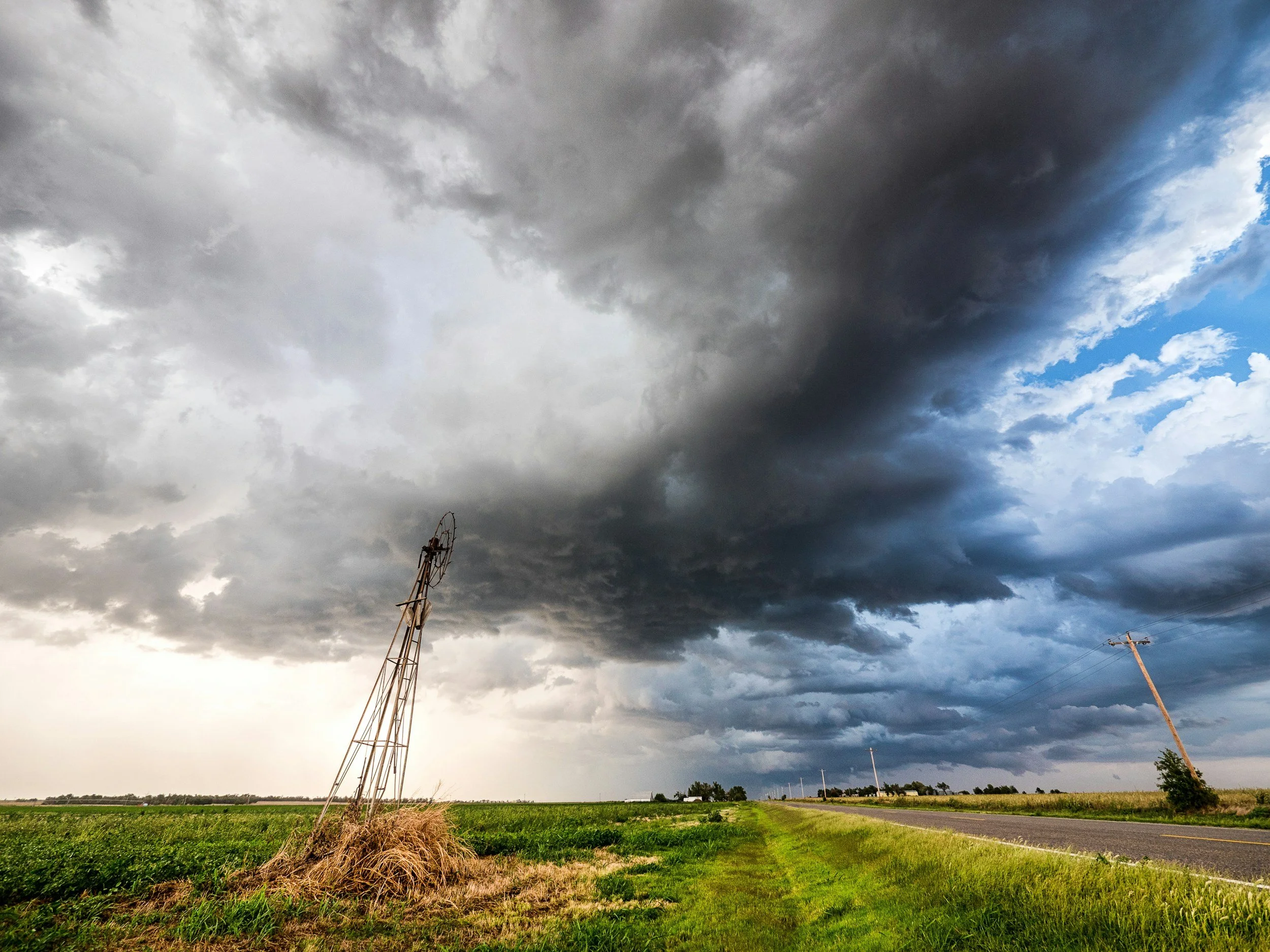

Storms arrive without warning. Droughts stretch longer than expected. Some seasons produce growth that surprises you. Others test your patience in ways that are hard to explain. What separates the farmer who survives from the one who doesn't isn't skill or luck. It's the willingness to adapt. To read the conditions as they are, not as you wish they were. To adjust without abandoning what you've planted.
Growth Has a Rhythm. Are You Following It?
One of the most overlooked principles of growth is this: life works in seasons.
Nature reminds us every day. A bamboo farmer knows it well. There is a time to plant, a time to root, a time to grow, a time to harvest, and a time to rest. Each season has its purpose. Growth is not constant. It is cyclical. And the bamboo farmer accepts this truth without resistance.
Yet too often, leaders and teams try to operate like machines. Constant output. Constant acceleration. No off-season. No recovery.
That is not how real growth happens.
The Leadership Challenge: Managing Expectations
A Bamboo Farmer Takes Responsibility
A bamboo farmer does not wait for perfect weather, better tools, or ideal conditions.
They water daily.
No excuses. No shortcuts. No outsourcing the work.
Leadership works the same way. Like the farmer, growth in leadership starts not when circumstances improve but when responsibility is claimed.
Leaders often blame external factors, but bamboo grows not because conditions are ideal, but because it is watered daily.
Leading in a Crisis Part IV: 10 Principles for Leaders
PART III: Leading in a Crisis - When It's Winter: How to Lead Through Seasons of Setback
Bamboo Farmers: Know These 5 Truths About Pre-Forgiveness
Bamboo farmers know that energy is precious, and every drop of water matters. If you waste water on weeds, your bamboo suffers. The same is true for leaders and teams. When energy is spent on grudges, resentments, or old conflicts, less is left to nurture what truly matters: your goals, your people, and your growth.
Part II: Leading in a Crisis — 10 Anchors for Leaders
The Crisis Manual: 10 Shifts of Focus for Leaders
What's Going Well? A Simple Question That Can Change Everything
We live in a world that seems determined to pull our attention toward what's broken, urgent, and wrong. It's not your imagination. Our brains are wired that way.
The human brain is an ancient survival machine built to scan for threats. While that default negativity mode might have kept our ancestors alive, it often just keeps us stressed, anxious, and reactive in today's world.
The Power of Servant Leadership: Lessons from the Bamboo Farmer
As a leader, you're likely facing more challenges than ever before. Between the rapid pace of technological change and shifting expectations in the workplace, leading a team today can feel like playing chess and checkers simultaneously. Each piece wants fair treatment, but every individual needs something unique from you. That's where servant leadership comes into play—a timeless concept that offers a powerful way to navigate modern leadership challenges.
Embracing Innovation: Lessons from Dick Fosbury and How to Cultivate a Culture of Innovation
Something we all hear a lot about but struggle to integrate into our lives is innovation. Innovation can be a bit tricky. One of the reasons innovation is tricky is because we humans are creatures of habit, often finding comfort in the familiar, even when innovation is necessary. Another challenge when it comes to innovation is our desire to be accepted and fit in.
10 Ways Bamboo Farmers Water Persistently
I’ve met many successful Bamboo Farmers throughout my life, many of which I interviewed on my podcast. What makes them so successful compared to someone who might not have the same level of success is that Bamboo Farmers water persistently.
Greg Bell is a Certified Virtual Presenter
Years ago I became a Certified Speaking Professional. It’s the highest earned designation from the National Speakers Association. I take pride in having this designation as only 10% of professional speakers have it.
Who knew there was such a thing, but I am happy to say I’ve been officially certified as a virtual presenter—a sign of the times for sure!
Good Leaders must Learn to say NO
Leadership and Management – both are needed!
Frankly, I get tired of people bashing management because it is almost impossible to function without good management. “Management” is the only group in an organization that people openly bash. I have read countless organizational consultants and strategists praising leadership skills over management skills as superior and more important.
Six Mistakes Leaders Make When it Comes to Organizational Values
The Most Important Job for a Leader
The Simple Truth of Mastering a Skill
Making a Weakness a Strength
I believe you should use most of your time and energy focusing on your strengths. However, leaders must reserve some time to improve their weaknesses.
The first step in any improvement is awareness. It is difficult, if not impossible, to improve weaknesses if you are not aware of it. Seeing yourself in action or paying close attention can help you identify your weaknesses. Getting honest feedback from those you respect is a gift, so receive feedback with an open mind. However, if you receive a singular piece of feedback from someone, verify it with others as well since feedback is subjective.