“Your keynote was so much fun, and funny!”
I hear some version of that often while signing books after a presentation. I love hearing it. Few people know the humor started with a dare I gave myself many years ago.

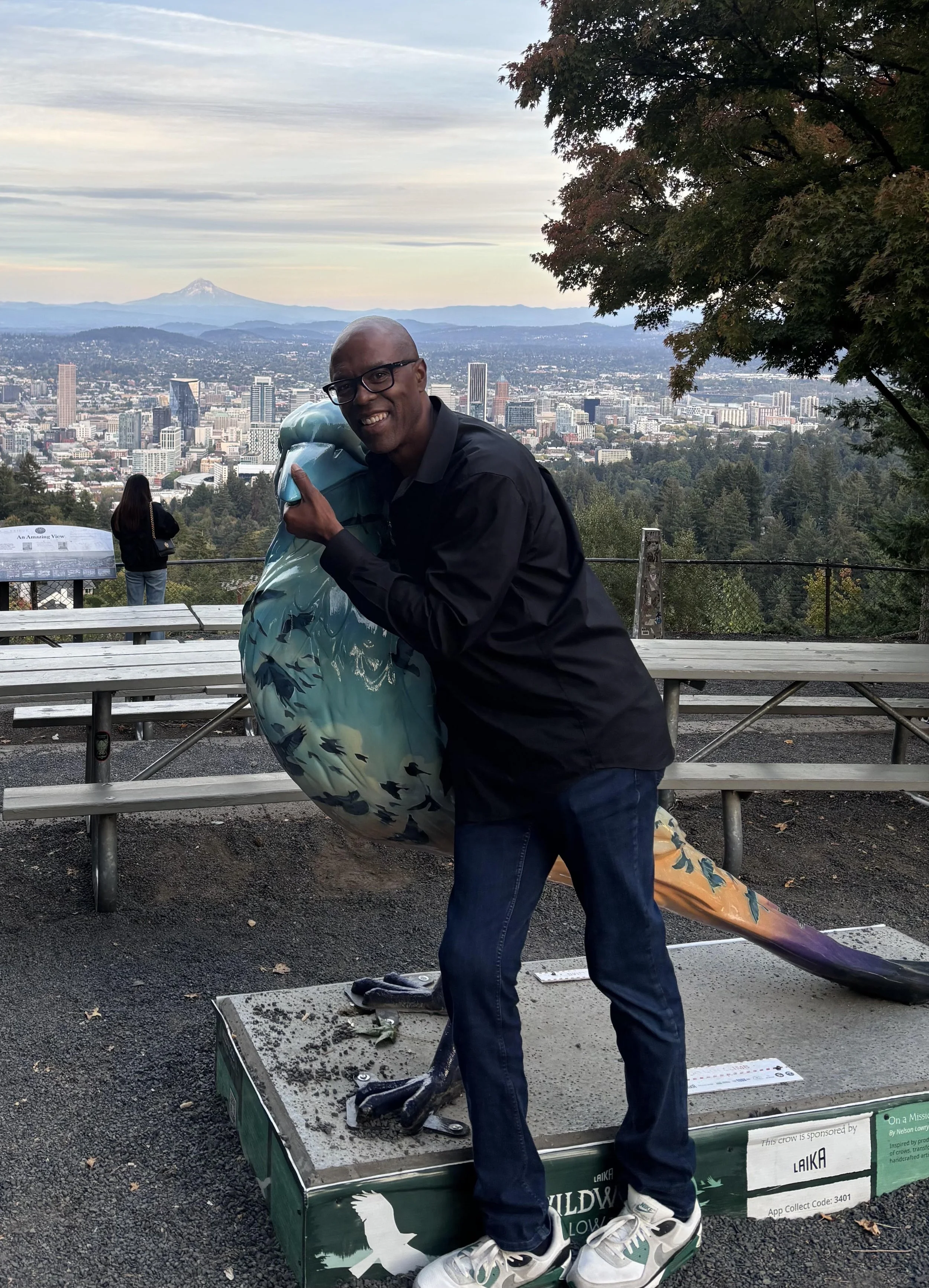
All my close friends know I'm a birder.
Oddly enough, my favorite bird is the crow.
I could watch them all day. I think of them as the teenagers of the bird world. Smart. Playful. Full of energy.
One of the things I love most about birdwatching is where the birds take me.
They get me outside.
They lead me to places I might otherwise miss.
They spark conversations, shared memories, and community.
I love tennis, whether I'm playing it or watching it.
I'm not that good, but I will be in 40 years! The Tennis Channel is on at our house almost 24/7. Tennis has become our family game. We play it, watch it, and talk about it.
So while watching this year's US Open men's final, I saw something I had never seen before.
Titles change, and positions change. What holds a leader steady is something quieter: the philosophy underneath the decisions, the place they return to when things get hard. Without it, leadership drifts. With it, leadership has somewhere to stand. That is the heart of Water the Bamboo.
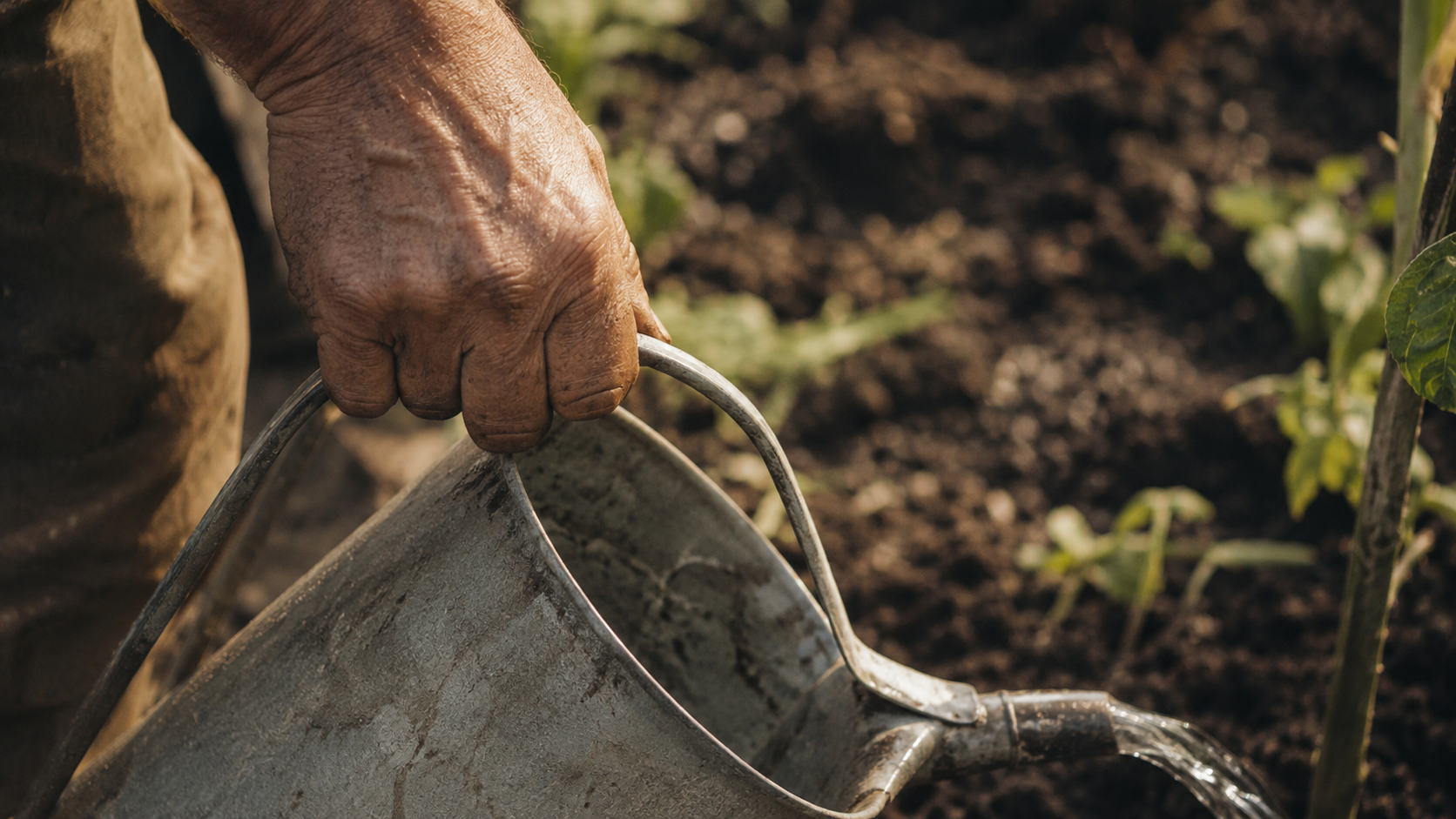
Every bamboo farmer knows that growing a dream takes courage, patience, and persistence.
But even the bravest farmer feels doubt when watering day after day, year after year, with no green shoot in sight.
That is when encouragement becomes essential.
Encouragement is the quiet thing that keeps a person watering. Without it, even the most determined farmer can lose heart. With it, ordinary people do extraordinary things.
We love the idea of change. The new beginning. The fresh start. The bold goal that we mention to a friend over coffee.
What we don't love is what comes next.
The middle. The part where the excitement fades, and the real work begins. The part where we feel slow, tired, and unsure if we are getting anywhere. Most people quietly walk away in the middle, often confusing discomfort with failure and turning back just before things start to work.
Storms arrive without warning. Droughts stretch longer than expected. Some seasons produce growth that surprises you. Others test your patience in ways that are hard to explain. What separates the farmer who survives from the one who doesn't isn't skill or luck. It's the willingness to adapt. To read the conditions as they are, not as you wish they were. To adjust without abandoning what you've planted.
At first glance, the Bamboo Farmer's mindset looks a little delusional.
Who waters day after day, year after year, without any visible sign of growth? Who keeps believing in something invisible? Who works for years with no proof that the effort will ever pay off?
A Bamboo Farmer does. And that's exactly what makes them worth paying attention to.
Try this experiment.
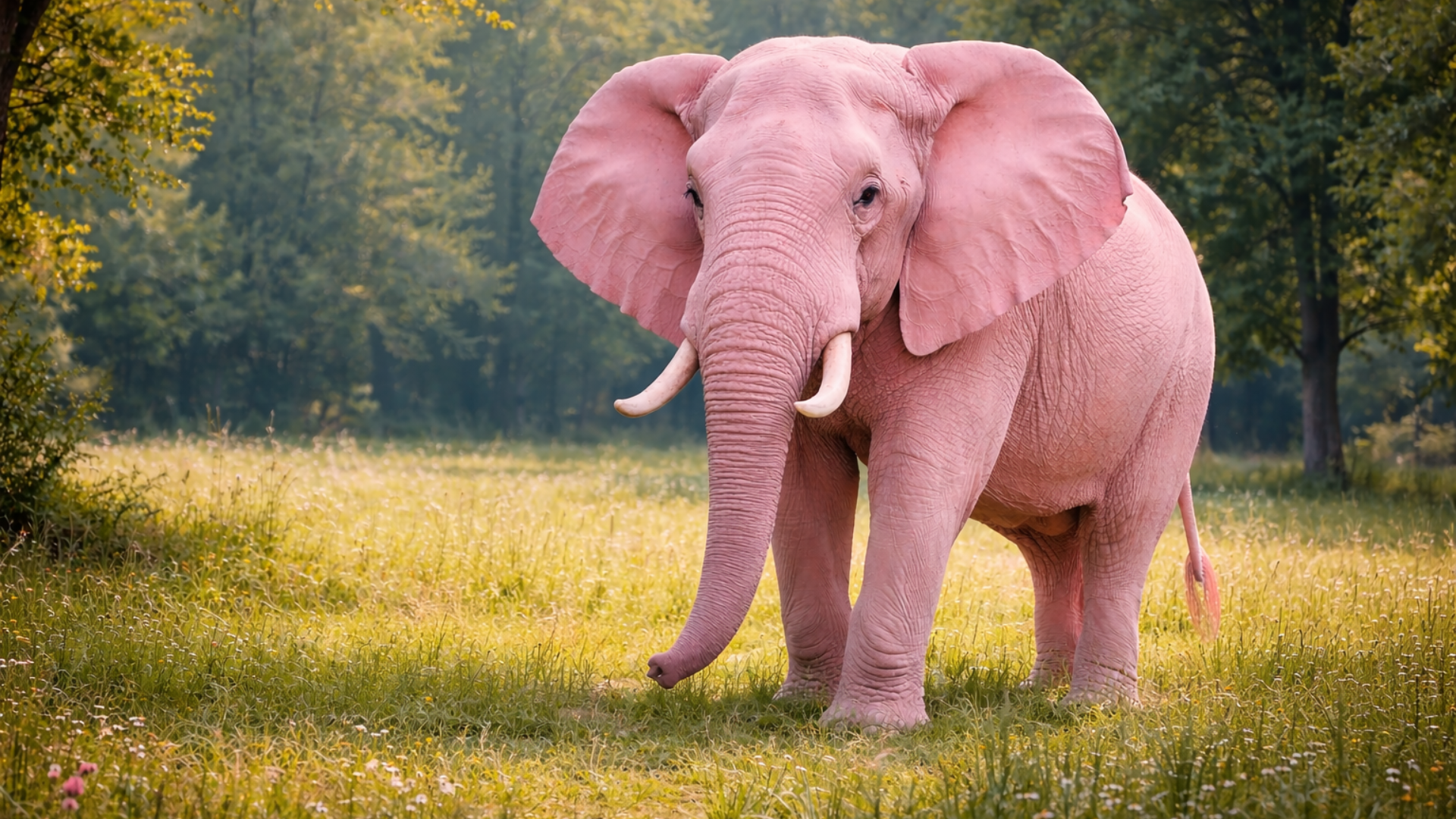
Don't think about a pink elephant.
For just a moment, try really hard not to picture one.
What happened?
Most likely, a bright pink elephant marched right into your mind. That's because the brain doesn't process the word "don't" the way we expect it to. The mind has to imagine something before it can attempt to reject it. Your brain hears the image before it hears the instruction.
One of the most overlooked principles of growth is this: life works in seasons.
Nature reminds us every day. A bamboo farmer knows it well. There is a time to plant, a time to root, a time to grow, a time to harvest, and a time to rest. Each season has its purpose. Growth is not constant. It is cyclical. And the bamboo farmer accepts this truth without resistance.
Yet too often, leaders and teams try to operate like machines. Constant output. Constant acceleration. No off-season. No recovery.
That is not how real growth happens.
The farmer never doubts the unseen process. They don't quit because the results are hidden. They take the long view, trusting that consistent effort compounds into remarkable growth.
Success isn't built in a day. It's built daily. Keep watering. Keep prioritizing. Keep holding the long-term view. Your bamboo breakthrough will come.
Most people overestimate what they can do in a day and underestimate what they can do in a decade.
Bamboo farmers understand this better than anyone.
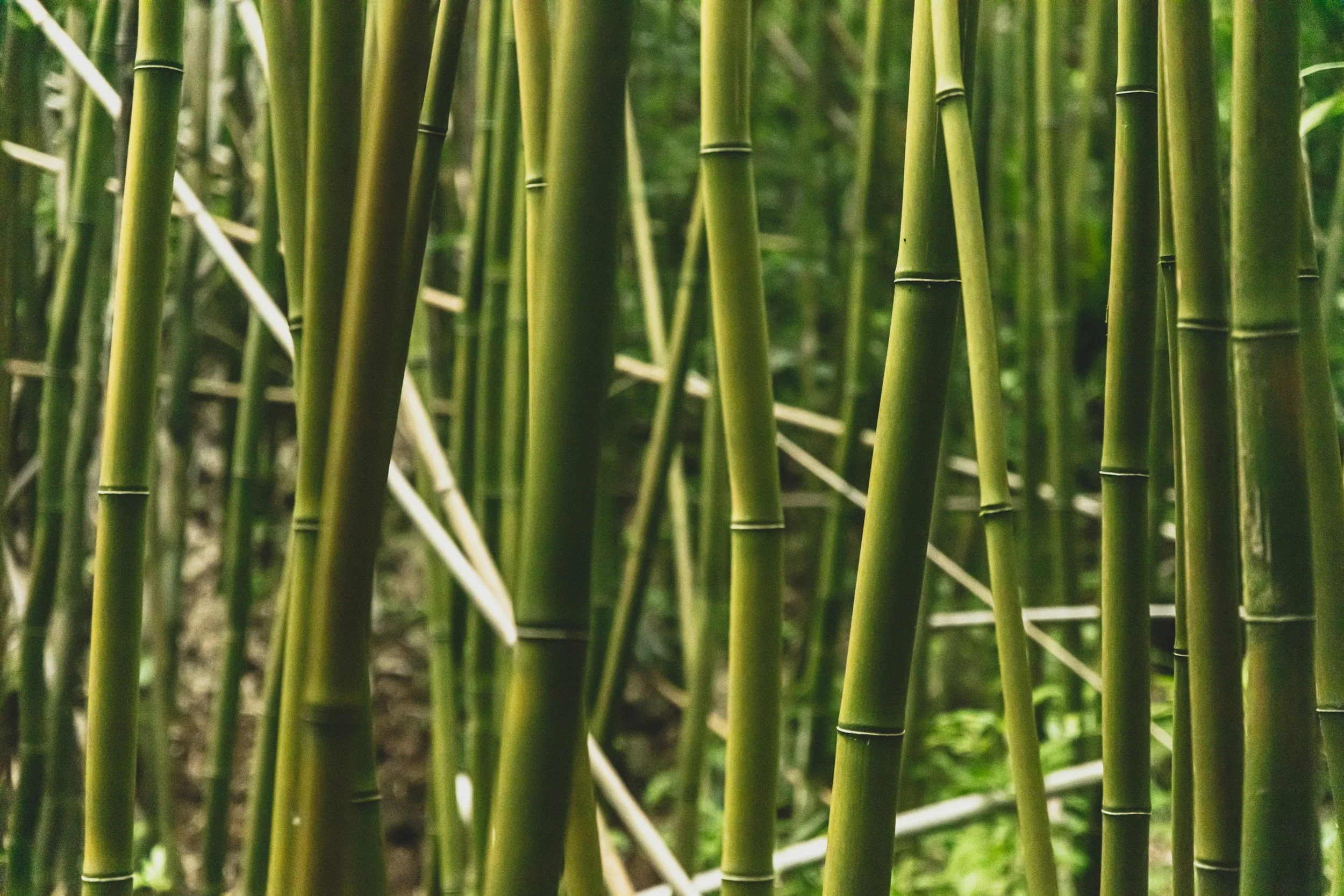
When bamboo is planted, nothing visible happens for years. The farmer waters the soil, pulls weeds, and tends the field with no outward sign of progress. No shoots. No proof. Just steady, patient work.
A bamboo farmer does not wait for perfect weather, better tools, or ideal conditions.
They water daily.
No excuses. No shortcuts. No outsourcing the work.
Leadership works the same way. Like the farmer, growth in leadership starts not when circumstances improve but when responsibility is claimed.
Leaders often blame external factors, but bamboo grows not because conditions are ideal, but because it is watered daily.
Whenever I deliver a What’s Going Well? keynote, someone almost always raises their hand and asks:
“Greg, what about toxic positivity?”
It’s a fair question. And here’s the reality I’ve seen after working with thousands of people and organizations: very few people are actually harmed by being “too positive.” What wears teams down far more often is something else entirely. Toxic negativity. The constant drip of fear, cynicism, and worst-case thinking that drains energy from every room it enters.
Before labeling every hopeful mindset as toxic, we need a clearer understanding of what we’re discussing.
Money is powerful, but it’s also limited.
It can buy comfort, but not contentment.
It can buy entertainment, but not joy.
It can buy recognition, but not respect.
The truth is that the things that give life its most profound meaning, like peace, purpose, love, connection, health, and time, can’t be bought; they can only be cultivated. Like bamboo, they require patience, care, and consistent watering.