
Storms arrive without warning. Droughts stretch longer than expected. Some seasons produce growth that surprises you. Others test your patience in ways that are hard to explain. What separates the farmer who survives from the one who doesn't isn't skill or luck. It's the willingness to adapt. To read the conditions as they are, not as you wish they were. To adjust without abandoning what you've planted.
I've spent years working with leaders across industries, and the ones who struggle most aren't usually lacking in talent or drive. They're the ones who treat their current approach as permanent. They hold on too tightly. They wait too long. And by the time conditions demand a change, they've already lost ground.
What Gets in the Way
The obstacles I see most often aren't dramatic. They're quiet and familiar.
Ego that mistakes confidence for certainty. Busyness that crowds out awareness. There's a real difference between being active and being alert, and when we spend all our time putting out fires, we lose sight of what's coming next. There's also the kind of paralysis that mistakes waiting for wisdom. The bamboo farmer doesn't wait for perfect conditions before planting. They plant, observe, and adjust. Decisions made in motion are almost always more useful than decisions deferred in search of a guarantee.
And then there's the assumption that everyone around you will move through change at the same pace. They won't. A bamboo farmer doesn't demand that every shoot break the surface on the same day. The leaders who understand this create space for that reality without losing momentum.
The Farmer's Real Advantage
In Water The Bamboo, I write about this directly: have faith in your plan, your abilities, and your approach, but don't be so rigid that a strong wind will break you.
That's the farmer's real advantage. Not that they predict every shift before it arrives. But that they stay curious enough to notice what's needed, humble enough to adjust when conditions call for it, and patient enough to keep watering anyway.
Real adaptation is being willing to examine your assumptions. To ask whether the approach that worked last season is still the right one. The change that lasts is the kind that comes from the inside.
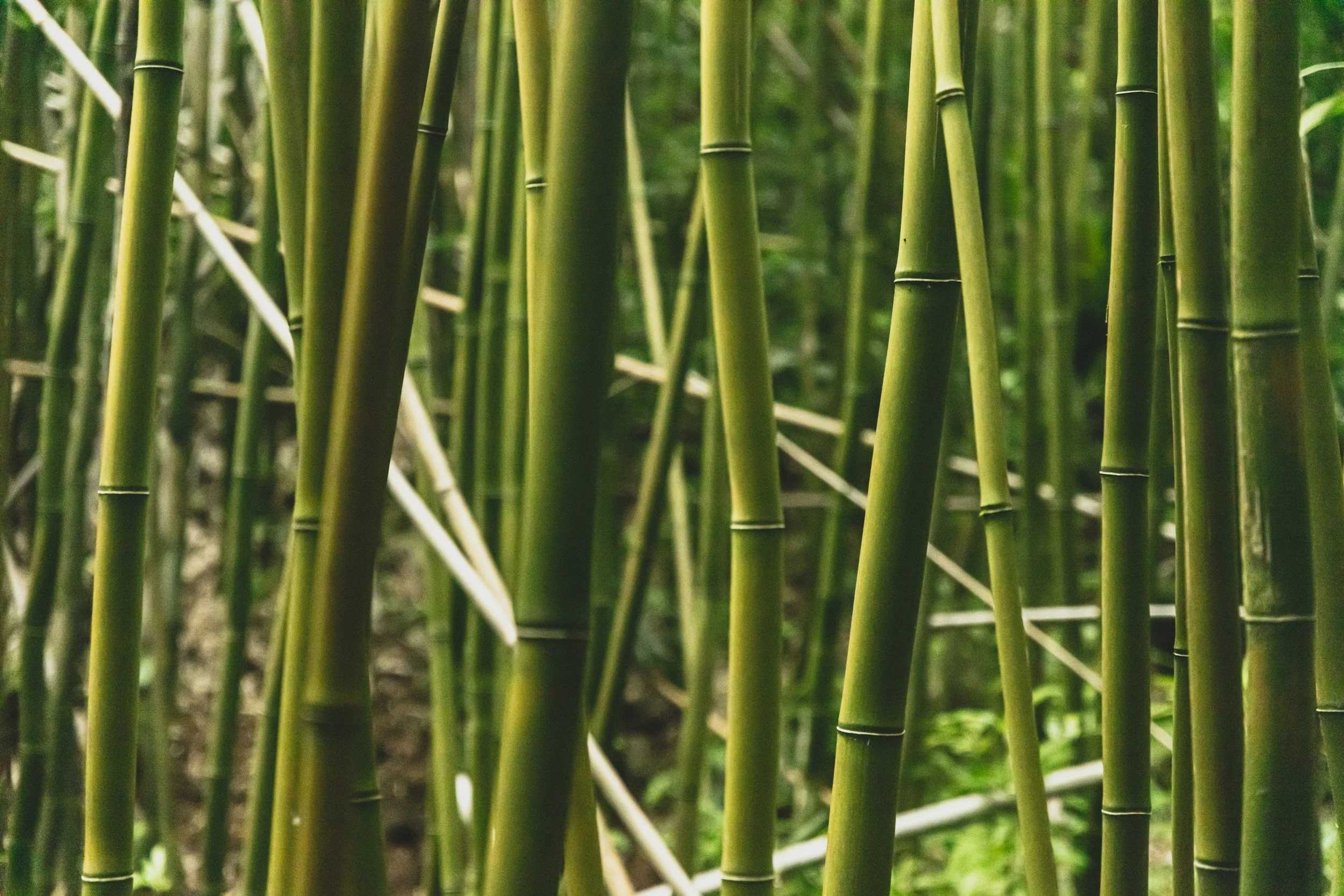
Bamboo has thrived for thousands of years not because it resists the forces around it, but because it was built to respond to them. Its strength comes from flexibility, not from holding a fixed position. The same is true for the leaders and teams I've seen do their best work over time. They bend. They adjust. They keep growing.