
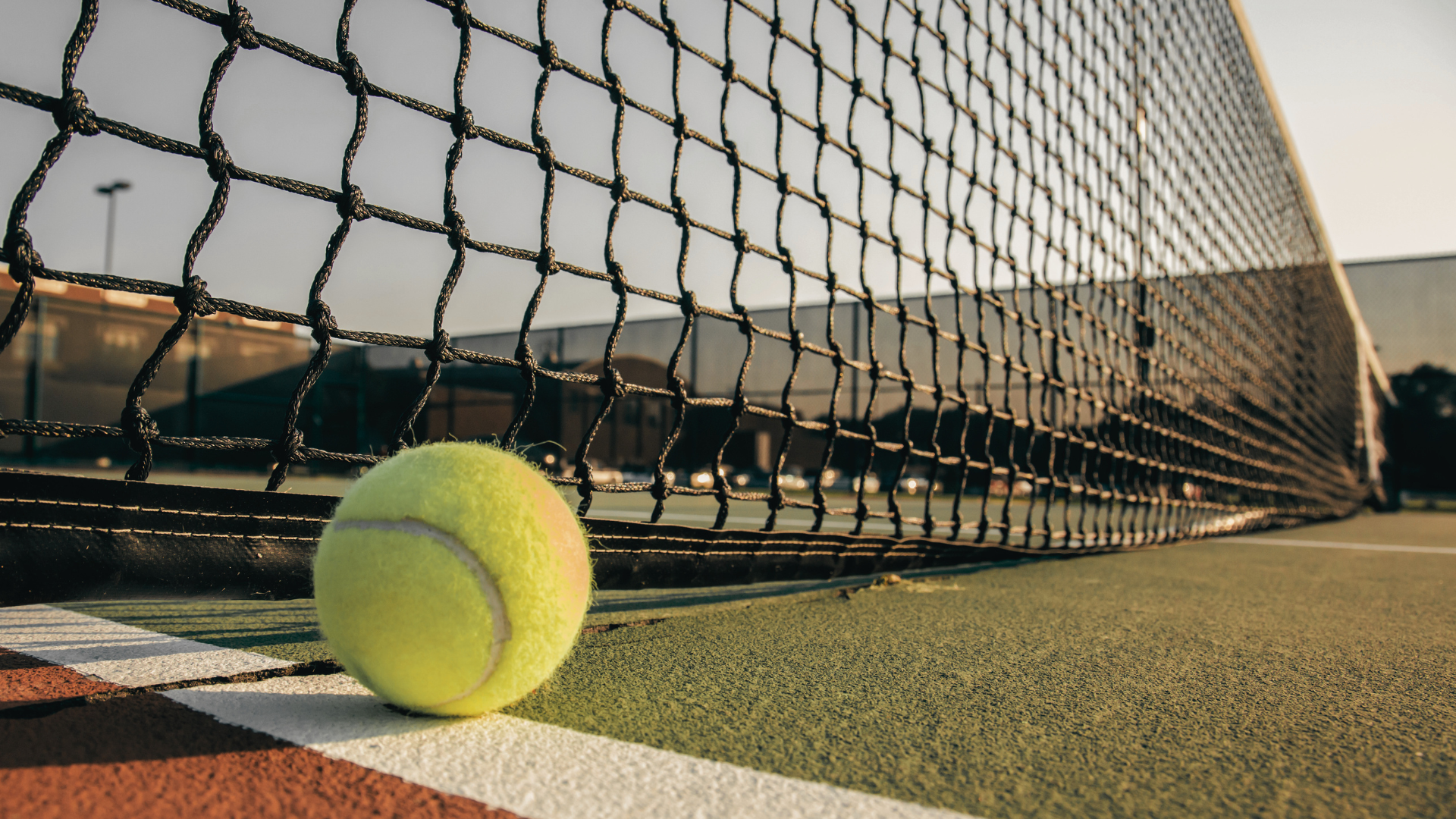
I love tennis, whether I'm playing it or watching it.
I'm not that good, but I will be in 40 years! The Tennis Channel is on at our house almost 24/7. Tennis has become our family game. We play it, watch it, and talk about it.
So while watching this year's US Open men's final, I saw something I had never seen before.
The Match He Didn't Know He Won
Alexander Zverev was playing Ben Shelton for the title. Arthur Ashe Stadium was packed with fans hoping to see Shelton become the first American man to win a major since 2003. Zverev admitted afterward that nearly everyone in the building wanted the other guy to win.
I was cheering for Shelton too. But I was blown away by what I saw from Zverev.
Zverev won anyway. And he was so locked in that he didn't even realize it.
The crowd was cheering. The match was over. But Zverev hit a ball back across the net and got ready to play the next point. His coaching box had to tell him, "You won!"
Now that is being in the zone.
After the match, Zverev explained that he thought the score was 5-1. In his mind, he still had more work to do. He described being "in this kind of tunnel where I just didn't hear anything." Not the crowd. Not even the umpire calling the match.
Then he said something I loved. Losing track of the score actually helped him. If he had known he was serving for the championship, he joked, he probably would have hit three double faults instead of one.
For that moment, the outcome had almost disappeared. Zverev wasn't thinking about winning the match or watching the scoreboard. He was completely absorbed in what was directly in front of him: the next point.
That's one of the secrets of peak performance.
Why the Scoreboard Gets in the Way
Most of us live the other way around.
We check the score constantly. Am I ahead? Am I behind? What happens if this doesn't work out?
Every glance at the scoreboard pulls our attention out of the present and into the future. And the future is where worry lives.
Psychologist Mihaly Csikszentmihalyi spent decades studying moments like Zverev's. He called it flow. It's a state where people are so absorbed in what they're doing that time seems to disappear and self-consciousness falls away. People often describe these as some of the most satisfying moments of their lives.
One detail from his research stands out to me. A clear goal is one of the conditions for flow. You have to know what you're aiming for. But once you're in it, the goal moves to the background and the work takes over.
Zverev knew exactly what he was playing for. He just stopped counting long enough to play.
He laughed about it later. Coaches, he said, always tell players to play every point and forget the score. That day, he finally did it, almost by accident.
Focus on the Watering
In my book Water the Bamboo, one of the most important lessons is simple:
Focus on the watering, and the bamboo will take care of itself.
Bamboo farmers plant a seed and water it faithfully. For years, there is nothing to show for it. No sprout. No proof. If farmers judged their progress by what they could see above the ground, they would quit long before the bamboo broke through.
Farmers can't control when the bamboo shows up. They can control whether they water today.
That's why I often say: water like crazy and detach from the outcome.
This doesn't mean goals don't matter. We need goals. We need scoreboards. We need to know where we're headed. One of the first steps in Water the Bamboo is creating a vivid vision of what you want. But once the goal is set, constantly staring at the scoreboard doesn't help us get there.
We have to return our attention to the watering.
When I speak to sales teams and leadership groups, the scoreboard is everywhere. Quotas. Dashboards. Quarterly targets. Those numbers matter. But I've never seen anyone hit a number by staring at it. The number moves when people keep doing the next right thing, day after day.
Play the Next Point
Wherever you are, there is a next point in front of you.
In tennis: play the next point.
In sales: make the next call.
In leadership: have the next conversation.
In writing: write the next page.
In life: take the next step.
The best in any field know the destination, but they become deeply focused on the process that gets them there.
That doesn't mean you never look up. Check the scoreboard on purpose, the way a player glances up during a changeover. See where you stand. Adjust if you need to. Then turn back to the court.
Get Locked In
So maybe the question isn't always, "Am I winning?"
Zverev didn't know he had won. He only knew the next point. That turned out to be enough.
Get locked in on the watering. Let the bamboo take care of itself.
Set the scoreboard aside for a moment and ask yourself: what needs watering right now?